
Did you know that nearly 38 million Americans live in rental housing that is considered affordable? This statistic highlights the significant demand for income-restricted housing options across the country. Many families struggle to find stable and affordable homes in urban areas where the cost of living continues to rise.
These housing solutions are specifically designed for households earning at or below a certain income level. The eligibility for these units is determined by both household size and total income. This ensures that individuals and families can access affordable rental units that might otherwise be out of reach.
Understanding the rules and criteria surrounding these housing options is crucial for anyone searching for a new place to live. By knowing the specific income limits for your household size, you can better navigate the competitive rental market and find a suitable home.
Key Takeaways
- Income-restricted housing provides essential rental units for lower-income households.
- Eligibility is based on household size and total income.
- Strict rules govern who can live in these apartments.
- The primary goal is to keep rent affordable for those in need.
- These units help maintain diverse communities.
- Specific criteria must be met to sign a lease.
- Understanding income limits is key for a successful rental search.
Understanding Income-Restricted Apartments
The need for affordable housing is evident, with millions seeking stable homes. Income-restricted housing provides essential units for those who might struggle to find suitable living arrangements. These apartments are governed by written affordability covenants, which dictate who can rent and how much rent is charged.

Many properties receive tax credits or government subsidies from agencies like the Department of Housing and Urban Development. This support ensures long-term affordability for tenants. The regulatory framework surrounding these programs is designed to preserve the supply of affordable housing while offering predictable rent structures for both landlords and tenants.
By collaborating with local housing agencies, developers create units that serve the community effectively. Often, these properties are part of mixed-income developments, integrating affordable housing into the broader urban landscape. This approach not only enhances community diversity but also maintains high-quality living standards.
| Key Characteristics | Details |
|---|---|
| Governance | Written affordability covenants |
| Funding | Tax credits and government subsidies |
| Regulatory Purpose | Preserve affordable housing supply |
| Community Integration | Mixed-income developments |
Income Eligibility and Area Median Income (AMI) Basics
Affordable housing remains a pressing concern for many families across the nation. Understanding income eligibility is crucial for accessing these housing options. A key component of this process is the Area Median Income, or AMI.
Explaining Area Median Income (AMI)
The Area Median Income serves as a benchmark for determining eligibility for various housing programs. For instance, in 2025, the AMI for the Salt Lake City metro area is approximately $122,700 for a family of four. This figure helps set local income limits for affordable housing.
How Income Verification Works
To qualify for these housing options, you must verify your income. This process requires you to provide proof of the combined income of all household members before taxes. Agencies like the Department of Housing and Urban Development (HUD) calculate these figures annually, ensuring housing remains accessible.
- Your household size affects income limits, promoting fairness across different family types.
- Understanding the median income for your location is the first step in finding suitable programs.
- The verification process ensures that only eligible individuals can access these housing units.
what does income restricted apartments mean
In the landscape of American housing, many individuals seek affordable living solutions. Income-restricted units offer a regulated rental model that caps rent based on household earnings. Unlike traditional rentals, the rent for these apartments is determined by a specific formula rather than market demand.
The application process for these units is thorough. Applicants must demonstrate that their income meets the requirements set by the program. This ensures that only those who qualify can access these essential housing options.
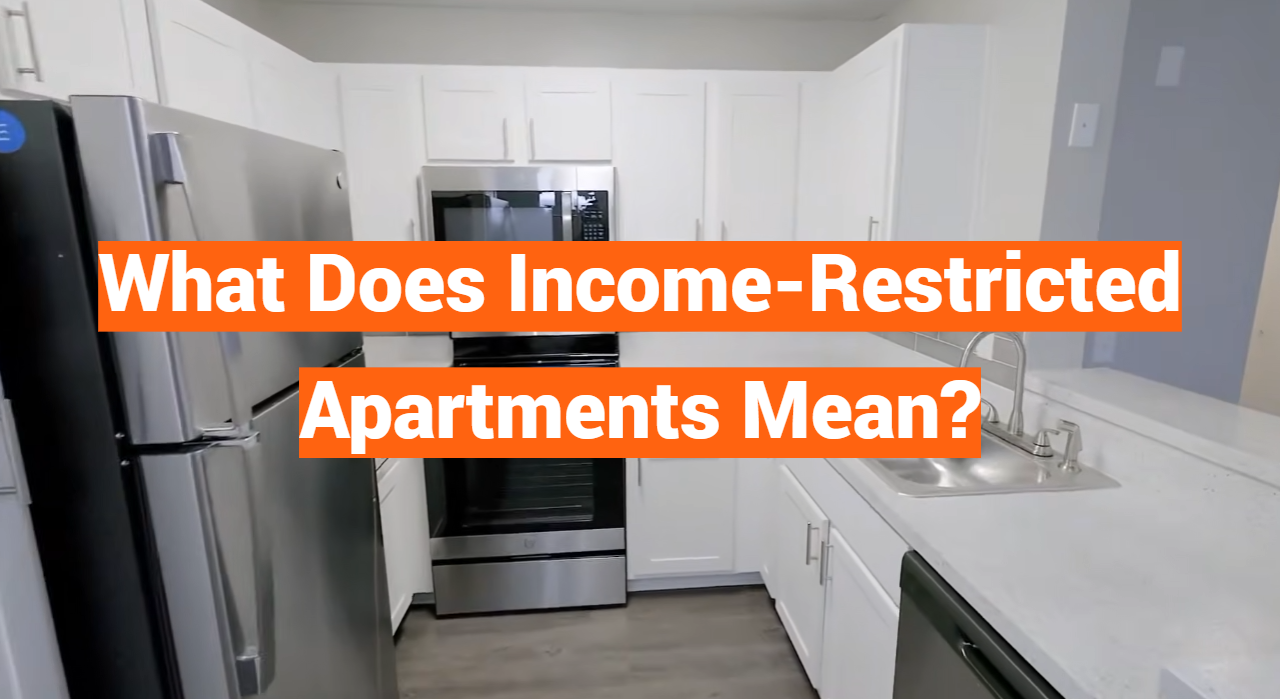
These rental units are often found in modern buildings, providing amenities similar to market-rate complexes. The primary aim of these programs is to ensure quality housing remains accessible to various income levels. Remember, these apartments are reserved for those who meet specific criteria, helping to create stable communities.
“By participating in these programs, landlords agree to keep rent at a fixed, affordable level for the duration of the compliance period.”
Eligibility Criteria for Income-Restricted Housing
Finding suitable housing options can be a daunting task for many families in America. To navigate this process, understanding eligibility criteria is essential. These criteria are primarily based on your gross annual household income and the size of your household.

Most programs use a percentage of the Area Median Income to determine eligibility. For example, those earning 30% of the AMI fall into the extremely low-income category. This classification ensures that individuals and families can access affordable housing options.
Income Limits and Household Size Considerations
To qualify for these housing options, applicants must provide formal documentation. This includes federal tax returns, consecutive pay stubs, and benefit award letters for all household members. Such documentation is vital to verify income streams, including alimony and social security.
Qualifying Documentation and Verification
Landlords are responsible for ensuring that the income of all residents meets the program’s limits. Additionally, properties may require a credit check and background verification. Because demand for these units is high, having your documentation organized can significantly speed up the approval process.
The Application Process and Documentation Needs
Navigating the world of affordable housing can feel overwhelming for many families. Understanding the application process is crucial to securing a rental unit. Typically, this process involves a lottery system, especially for properties managed by a local housing authority.
To apply, you must submit detailed documentation. This includes tax statements and bank statements to prove your income and residency for everyone in your household. This guide outlines the steps to follow, starting with an inquiry to the property management office to confirm unit availability.
Step-by-Step Application Process
Once your application is submitted, the housing authority or compliance officer will review your financial information. They will determine your eligibility for the rental. Be aware that many properties may have a waiting list, so patience is key.

Required Documentation Overview
You’ll need to provide identification, such as a driver’s license or passport, for all household members over the age of 18. If your application is approved, you will be invited to sign a lease, marking a significant step toward securing your new apartment.
Maintaining accurate records of your application and all submitted documentation is essential for future audits or recertification requirements.
Calculating Rent in Income-Restricted Apartments
Many families are striving to find affordable housing options that suit their needs. In income-restricted housing, rent calculations follow specific formulas to ensure affordability. These formulas are primarily based on the Area Median Income (AMI).
There are two main models for determining rent:
- Fixed AMI-Based Rent: This model sets rent as a percentage of the AMI, remaining constant regardless of tenant income changes.
- Income-Based Rent: Here, rent is typically capped at 30% of the tenant’s adjusted household income.
Understanding these calculations is crucial for potential tenants. Here are some key points:
- Rent in income-restricted housing is determined using fixed formulas tied to the AMI.
- The fixed AMI-based model provides predictable costs for both tenants and landlords.
- Income-based models adjust rent based on household earnings, ensuring affordability.
- Rent limits are established by housing programs to maintain affordability throughout the lease.
- Stable housing costs help protect tenants from inflation and market fluctuations.
- Income limits are adjusted based on household size, promoting fairness.
- Landlords must adhere to rent calculation rules to remain compliant with housing authorities.
“Understanding how your rent is determined is a key part of the eligibility process for any income-restricted apartment you choose to rent.”
Comparing Income-Restricted vs. Income-Based Apartments
The quest for affordable housing continues to challenge countless families across the United States. Understanding the differences between income-restricted and income-based options is essential for making informed choices.

Income-restricted housing typically sets a fixed rent based on the Area Median Income (AMI). This means that your rent remains stable throughout your lease, regardless of any income changes. In contrast, income-based housing adjusts rent to a percentage of your specific earnings, which can lead to fluctuating costs.
The application process also varies. Income-based housing often involves a lengthy waitlist managed by a public housing authority. Many income-restricted developments, however, may offer quicker access to units.
For families, the predictability of rent in income-restricted units can be a significant advantage. It provides a sense of security, knowing that rent won’t increase if income rises during the lease term. Understanding these differences can help you choose the best option for your long-term financial goals.
- Income-restricted housing sets fixed rent based on AMI.
- Income-based housing adjusts rent according to individual earnings.
- Application processes differ, often with waitlists for income-based options.
- Families benefit from stable rent in income-restricted units.
- Consider your financial goals when selecting between these options.
Benefits and Drawbacks of Income-Restricted Housing
As living costs rise, the search for affordable housing becomes more critical for numerous households. Income-restricted housing offers various benefits and challenges for both tenants and landlords.
One of the primary advantages is the stability of rent. This allows tenants to plan their finances without fear of sudden increases. Additionally, these apartments have a positive community impact. They provide essential housing to workers and families who might otherwise be displaced by rising costs.
However, landlords face strict compliance requirements. They must maintain audit-ready files for all income-restricted units in their properties. The paperwork burden can be significant, requiring diligent management of income verification and rent receipts to satisfy program auditors.
Some developments may struggle with funding for major repairs if rent caps are too low to cover rising property taxes. Despite these challenges, many landlords find that these units experience lower vacancy rates and more stable, long-term tenants than market-rate options.
Tenants enjoy the advantage of living in modern, high-quality buildings that are often indistinguishable from market-rate housing in the same neighborhood. By participating in these programs, property owners contribute to the overall supply of affordable housing while benefiting from various tax incentives.
Managing Compliance and Long-Term Restrictions
Navigating the complexities of affordable housing can be challenging for landlords and tenants alike. Compliance with various programs is essential for maintaining the integrity of these housing options. Many programs require a commitment to affordability for 30 to 40 years.
Landlords must keep detailed documentation for every tenant. This ensures they remain audit-ready for the local housing authority or HUD. The annual recertification process is crucial to verify that households still meet the income limits for their units.
- Failure to comply with income eligibility rules can lead to the recapture of tax credits by the government.
- Oversight is provided by the Department of Housing and Urban Development to maintain affordability.
- Each section of the lease must align with program requirements to protect both landlords and tenants.
- Regular audits confirm that all income information is accurate and up to date.
- By adhering to these long-term restrictions, property owners ensure their units serve the community as intended.

Conclusion
Income-restricted housing serves as a crucial pathway to stable, high-quality living for many families across the United States. Understanding the role of the Area Median Income and the eligibility process is vital for successfully navigating your housing search.
This guide has highlighted key differences among various housing programs and the steps needed to verify your income and secure a unit. Whether you are a student, a professional, or a retiree, these apartments provide a chance to live in desirable locations without the burden of market-rate prices.
We encourage you to connect with local housing authorities or property managers to explore available options in your area. While the application process may seem daunting, the long-term benefits of predictable rent and community stability are worth the effort.
With the right information and preparation, you can find an income-restricted apartment that meets your needs and supports your financial goals.